Key takeaways
- Remember FAST: Face drooping, Arm weakness, Speech difficulty, Time to call emergency services.
- Recovery is rarely linear; progress often comes as small, glorious victories.
- Depression, anxiety and grief are common after a stroke and deserve care too.
- Caregivers need support as well: accepting help is how families get through.
It often begins with something small. A cup slips from a hand. A sentence comes out tangled, like a knot in a shoelace. One side of a smile droops, and someone laughs, thinking it is a joke, until they realize it is not.
For millions of families every year, a stroke begins this way: without warning, in the middle of an ordinary day. When a blood vessel supplying the brain becomes blocked or ruptures, part of the brain is deprived of oxygen and nutrients. Within minutes, a person you have known for decades may seem like a stranger, struggling to speak, move, or recognize familiar things.
The first hours are a blur of sirens, fluorescent lights, and words nobody ever wanted to learn. Clot. Bleed. Scan. Doctors explain that time is critical, and families hear the urgency in every sentence. Then, if all goes well, and the immediate crisis is brought under control, a longer, quieter journey begins.
The patient’s story
Ask survivors what a stroke feels like, and many will tell you it is not only the body that is affected. It can alter their sense of identity. A man who spent forty years fixing engines finds he can no longer grip a wrench with his right hand. A teacher who once held a room spellbound may struggle to find a familiar word such as ‘window’. Stroke can affect movement, speech, memory, vision, and balance, and it never asks which one you can least afford to lose.
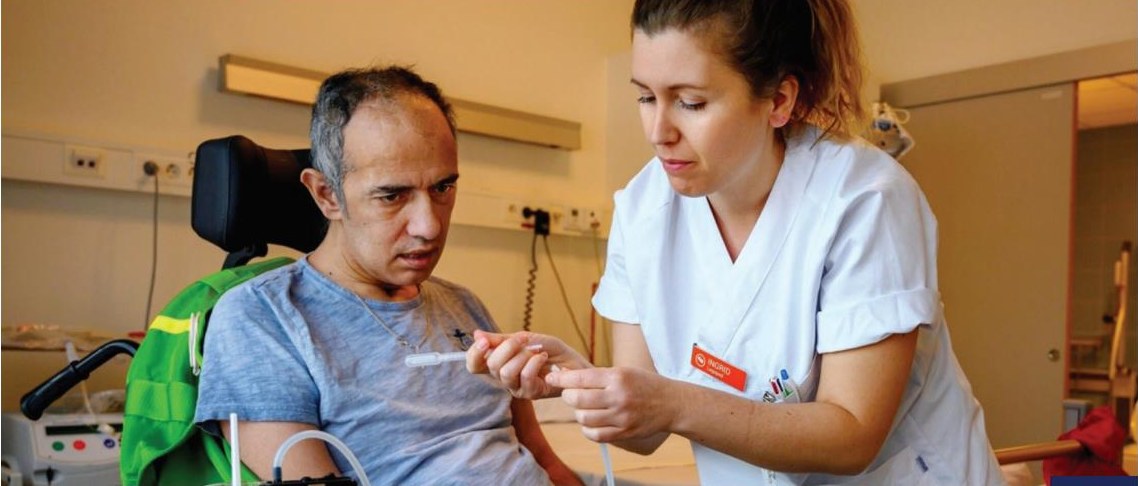
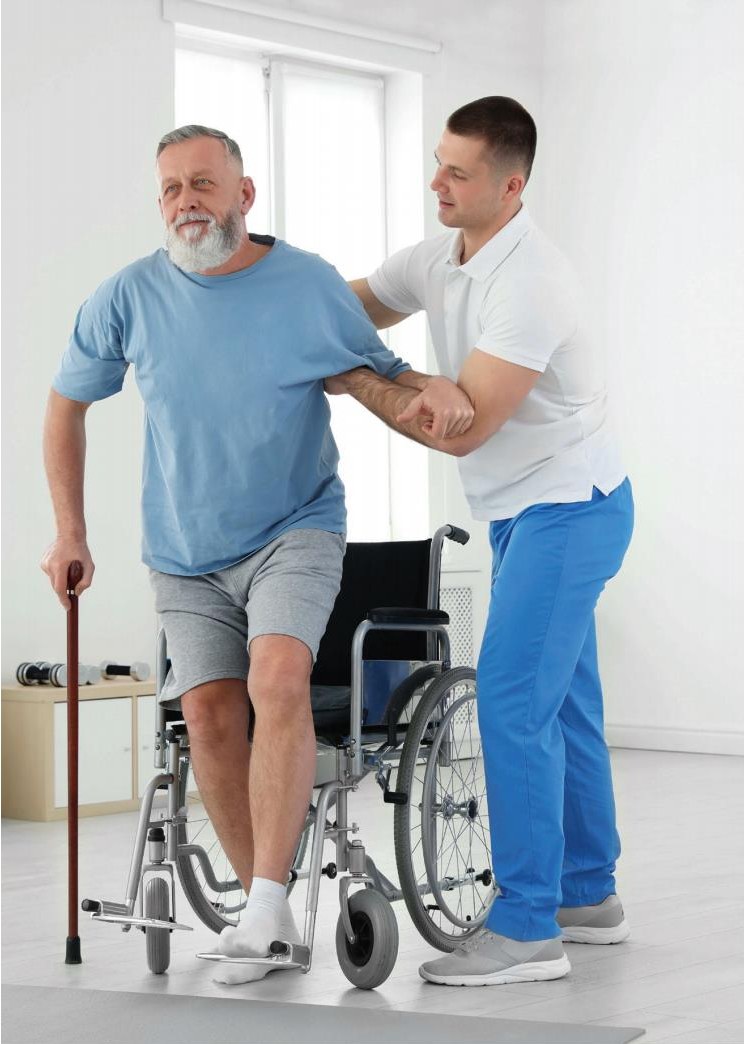
Rehabilitation is where the hard work begins. Physiotherapists coax muscles to remember what they once knew. Speech therapists rebuild language word by word, sometimes using picture cards, the kind you would show a toddler. The process can be humbling, and some days it is heartbreaking. Yet progress often comes in small, glorious victories: standing for a full minute, buttoning a shirt independently, saying a grandchild’s name out loud and hearing it come out right.
Then there is the part no scan can reveal. Depression, anxiety, fear, and frustration are common after stroke, along with a quiet grief for the person one used to be. Many survivors say they feel they have become a burden to their families, a painful perception to carry while working harder than ever to regain their independence.
The family’s story
A stroke is rarely one person’s illness. It affects the entire household.
A wife becomes a caregiver overnight, learning to move her husband from bed to chair, juggle a dozen medications, and decipher insurance letters at two in the morning. A daughter may move back home. A son may fly in, stay for two weeks, then fly out again, carrying guilt along with his luggage. Roles flip. The person who once made every decision may now need help choosing what to wear, and nobody quite knows how to reconcile with the new reality.
Caregiving is love expressed in its most practical form, and it is exhausting. Caregivers often push their own sleep, health, and friendships to the bottom of the list. Financial pressures mount, especially when work hours shrink or stop. Relationships strain in ways no one predicted, not from a lack of love, but from too much weight resting on too few shoulders.
Children feel the changes too. They notice the whispered phone calls, disrupted routines, the grandfather who now speaks slowly. Honest explanations help more than silence. A child can handle “Grandpa’s brain got hurt, and he’s working really hard to heal” far better than a mystery they are left to solve themselves.
Caregiving is love expressed in its most practical form, and it is exhausting.
What helps
There is no perfect way for navigating life after stroke, but a few things can make the journey more manageable.
Learn to recognize the signs, because early action makes all the difference. Remember FAST: Face drooping, Arm weakness, Speech difficulty, Time to call emergency services. If any of these signs appear suddenly, seek emergency medical care immediately.
Be patient. Recovery is rarely linear. There may be plateaus, setbacks, and difficult days, and then an unexpected improvement that makes the whole room cheer.
Accept help. Support groups, counseling, honest conversations with friends, a neighbor who brings meals, a cousin who offers to sit with Dad for an afternoon — all can make a difference. None of it is weakness. It is how families get through.
A new normal
Many families say life never returns to what it was before a stroke. It becomes different. Some days are more difficult than before. Others, strangely, are richer: slower, more attentive, full of gratitude for things once passed unnoticed. A hand squeezing yours. A joke understood. A walk to the end of the street, one careful step at a time.
A stroke can take a great deal. But within families that weather it, it also brings forth something stubborn and beautiful. Love adapts, and recovery is as much about people as it is about medicine. No one should have to walk this long road alone.
Have a question about this?
Send it to a KIMSHEALTH Neurology specialist. We'll reply by email or phone.