The age of cures
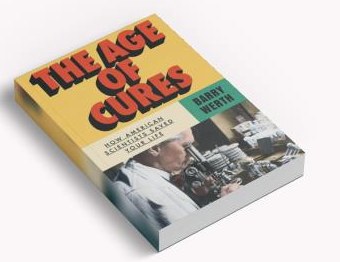
How American scientists saved your life
By Barry Werth
What transformed medicine from a world where minor infections could prove fatal into an era of life-saving wonder drugs? In The Age of Cures, award-winning journalist Barry Werth takes readers behind the scenes of the pharmaceutical revolution, revealing the brilliant minds, scientific breakthroughs, and unlikely collaborations that reshaped healthcare. From penicillin to modern drug discovery, this compelling history explores the triumphs, rivalries, and commercial interests behind medical progress — and asks what it takes to sustain the quest for cures.
[Published by Simon & Schuster, September 2026, Hardcover, 400 pages.]
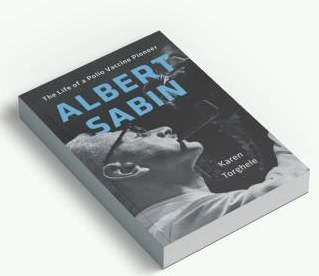
Albert Sabin
The life of a polio vaccine pioneer
By Karen Torghele
While Jonas Salk became the celebrated face of polio vaccination, Albert Sabin’s pioneering oral vaccine brought the world closer to eradicating the disease. In this definitive biography, epidemiologist Karen Torghele explores the life of a brilliant yet controversial scientist whose work transformed global public health. Drawing on archival research, personal accounts, and laboratory notebooks, she reveals the scientific breakthroughs, fierce rivalries, and complex personality behind Sabin’s legacy, offering a vivid portrait of one of medicine’s overlooked giants.
[Published by Yale University Press, June 2026, Hardcover, 416 pages.]
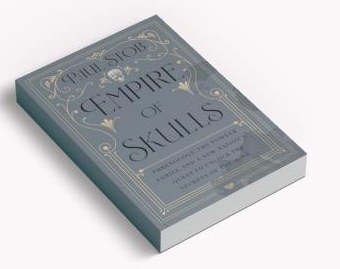
Empire of skulls
By Paul Stob
What made 19th-century America obsessed with the shape of the human skull? Historian Paul Stob explores the extraordinary rise of phrenology, a pseudoscience that promised to unlock the secrets of personality and human potential through bumps on the head. Led by the ambitious Fowler family, the movement captivated celebrities, reformers, and ordinary Americans alike. Blending science, showmanship, and social history, Stob reveals how this curious craze reflected a young nation’s hopes for self-improvement — and how its ideas became entangled with prejudice and pseudoscience.
[Published by Counterpoint, April 2026, Hardcover, 256 pages.]
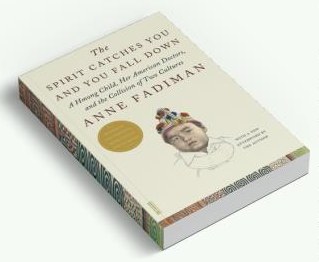
The spirit catches you and you fall down
A Hmong child, her American doctors, and the collision of two cultures
By Anne Fadiman
What happens when two cultures share the same desire to heal but speak profoundly different languages of illness and care? In this award-winning work of literary journalism, Anne Fadiman recounts the painful story of Lia Lee, a Hmong child with severe epilepsy, and the devastating misunderstandings between her family and American doctors. With compassion and meticulous reporting, Fadiman explores the collision of medical science, cultural beliefs, and healthcare systems, offering lessons in empathy, communication, and culturally sensitive care.
[Published by Farrar, Straus and Giroux, January 2007, Paperback, 341 pages.]
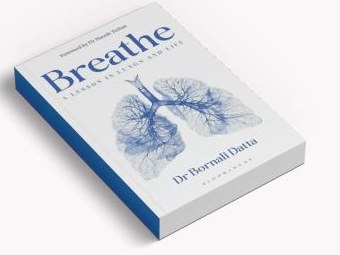
Breathe
A lesson in lungs and life
By Dr. Bornali Datta
Every breath matters, yet lung health is often overlooked until something goes wrong. In Breathe, pulmonologist Dr Bornali Datta draws on decades of clinical experience and real-life patient stories to demystify respiratory health. From asthma, COPD, and lung cancer to sleep apnoea and tuberculosis, she explains diseases, treatments, and prevention in accessible language. Addressing everyday concerns such as smoking, vaping, air pollution, exercise and vaccination, this practical guide empowers readers to make informed choices and take better care of their lungs.
[Published by Bloomsbury Publishing, September 2026, Paperback, 320 pages.]
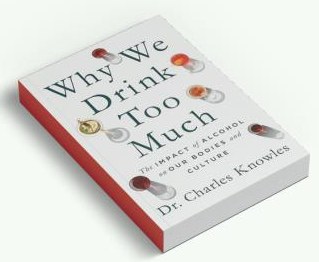
Why we drink too much
The impact of alcohol on our bodies and culture
By Charles Knowles
Why does alcohol hold such a powerful grip on us? Why can some people stop at one drink while others struggle to stop at all? In Why We Drink Too Much, a surgeon and academic Charles Knowles combines candid personal reflections with fascinating insights into neuroscience, genetics, and human behavior to unravel our complex relationship with alcohol. Neither a moral lecture nor a simple sobriety manual, this interesting exploration challenges assumptions about drinking and offers a science-based path towards greater control and healthier choices.
[Published by Celadon Books, January 2026, Paperback, 304 pages.]
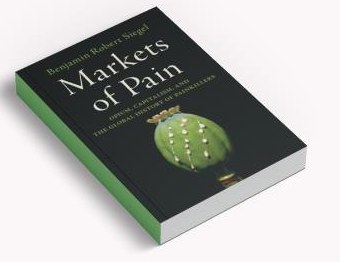
Markets of pain
Opium, capitalism, and the global history of painkillers
By Benjamin Robert Siegel
Behind the medicines that relieve pain lies a complex history of profit, power, and peril. Historian Benjamin Robert Siegel uncovers the largely untold story of legal opium and its role in shaping modern medicine, global capitalism, and international politics. Tracing the trade from India to Turkey and Australia, he brings to life the farmers, scientists, and policymakers who sustained this controversial industry. The book blends archival research and global history and offers a fresh perspective on the roots of today’s opioid crisis.
[Published by Oxford University Press, March 2026, Hardcover, 359 pages.]
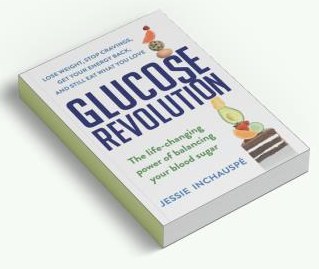
Glucose revolution
The life-changing power of balancing your blood sugar
By Jessie Inchauspé
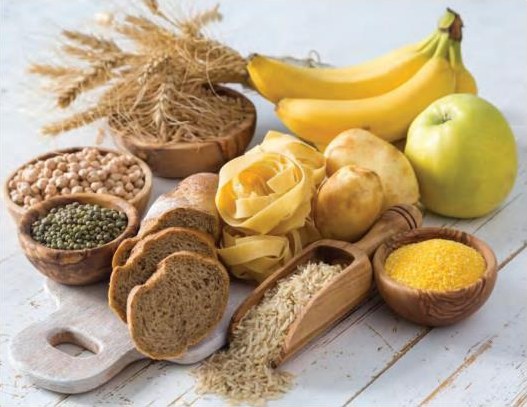
The secret to feeling better may lie not in counting calories, but in understanding how your body responds to food. Biochemist Jessie Inchauspé explores the far-reaching effects of blood sugar fluctuations, linking them to energy slumps, persistent cravings, and long-term health. Her ten practical, science-based strategies challenge conventional ideas about healthy eating, showing how small changes in food combinations, meal order, and daily habits can help smooth glucose spikes — without banishing favorite foods or resorting to restrictive diets.
[Published by S&S/Simon Element, January 2022, Hardcover, 304 pages.]
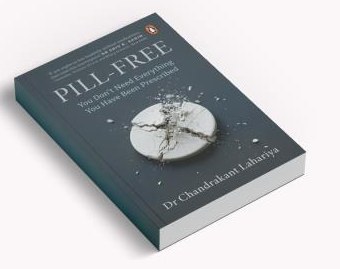
Pill-free
You don’t need everything you have been prescribed
By Dr Chandrakant Lahariya
Could some of the medicines, supplements and tests we rely on be doing more harm than good? In Pill-Free, physician and public health expert Dr Chandrakant Lahariya challenges the growing culture of overmedicalisation, showing how unnecessary prescriptions and interventions can quietly become part of everyday healthcare. Combining patient stories, myth-busting insights and practical guidance, he explores how lifestyle changes, nutrition and informed decisions can support better health. This timely, empowering book advocates not rejecting medicine, but learning when less treatment may mean more health.
[Published by Vintage Books, September 2026, Paperback, 349 pages.]