Key takeaways
- A cleft lip or palate forms when facial tissues don’t fully fuse between the fourth and ninth weeks of pregnancy.
- Often there is no single known cause; having a risk factor is no reason for parents to blame themselves.
- Cleft lip is commonly repaired within the first year, and cleft palate within the first 18 months.
- Speech-language pathologists help with feeding from infancy and with speech as the child grows.
When a baby is born with a cleft lip or cleft palate, parents naturally have many questions. These conditions, collectively known as orofacial clefts, are among the most common congenital disabilities. However, with modern medical care and appropriate support, the children born with these conditions can achieve excellent long-term outcomes.
Understanding how these conditions develop and how they are treated can help parents feel more informed and prepared for the journey ahead.
What are orofacial clefts?
To understand how a cleft occurs, it helps to know how a baby develops in the womb.
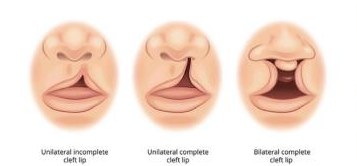
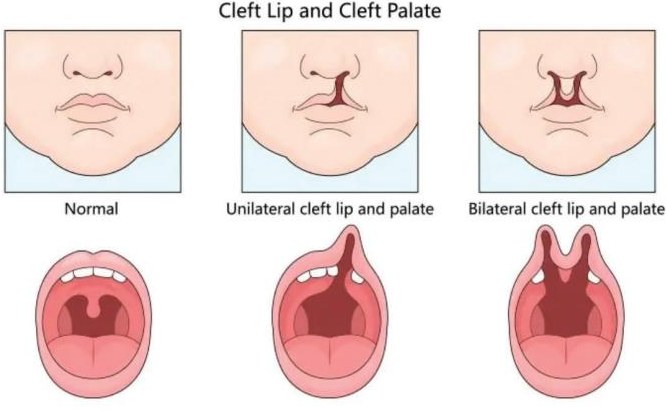
Cleft lip: Between the fourth and seventh weeks of pregnancy, tissues from either side of the head grow toward the center of the face to form the lips and mouth. A cleft lip occurs when these tissues do not fuse completely, leaving an opening that may range from a small notch to a gap extending towards the nose.
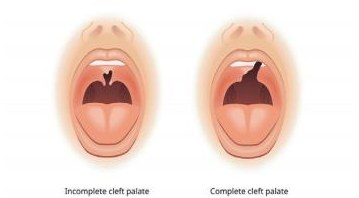
Cleft palate: Between the sixth and ninth weeks of pregnancy, the tissues that form the roof of the mouth (the palate) develop and fuse. A cleft palate occurs when this fusion is incomplete, leaving an opening in the roof of the mouth.
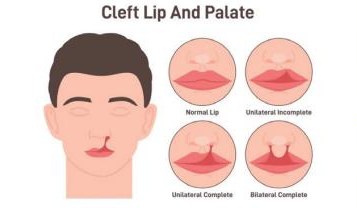
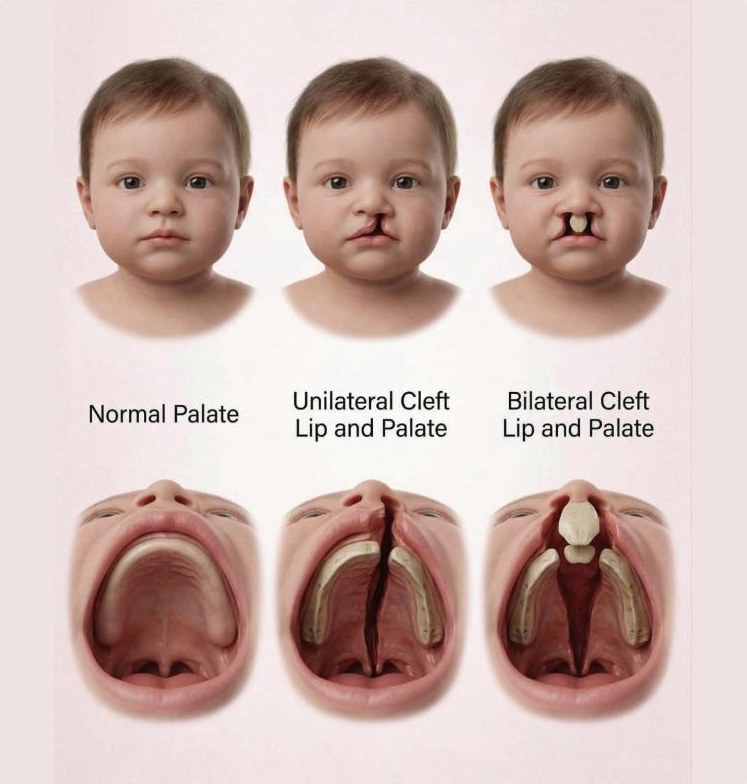
These conditions may occur separately or together and can affect one or both sides of the mouth. Because these structures play important roles in feeding, speech, and other oral functions, timely assessment and appropriate care are essential.
Why do they happen?
In many cases, the exact cause of an orofacial cleft remains unknown. Current research suggests these conditions usually result from a complex combination of genetic factors and environmental influences during pregnancy.
Although many cases cannot be prevented, certain factors may increase the risk. These include:
- Smoking during pregnancy
- Having diabetes (type 1 or 2) before pregnancy.
- Use of specific epilepsy medications during pregnancy.
The US Centers for Disease Control and Prevention (CDC) identifies these among the factors associated with an increased risk of orofacial clefts. Having a risk factor does not mean a cleft will necessarily develop, and it is not a reason for parents to blame themselves.
Diagnosis and treatment
Orofacial clefts are often identified through routine ultrasound during pregnancy, though some clefts — particularly certain types of palate issues — may not be identified until after birth.
Treatment aims to restore both function and appearance. The standard approach involves:
Surgical repair: Cleft lip repair is commonly performed within the first year of life, while cleft palate repair is generally undertaken within the first 18 months. Some children may require additional procedures as they grow to ensure optimal function.
Multidisciplinary care: Surgery is only one part of treatment. Depending on the child’s needs, the care team may include pediatricians, cleft surgeons, dentists, orthodontists, speech-language pathologists, audiologists, and other specialists. Regular follow-up helps address changing needs as the child develops.
With the right care and encouragement, children born with orofacial clefts can lead happy, healthy, fulfilling lives.
The vital role of speech therapy
Speech language pathologists (SLPs) play an important role in the care of children with cleft palate. They help address feeding difficulties from infancy and monitor speech sound disorders. They provide specialized feeding techniques, tools, and swallowing assessments. As the child grows, they monitor speech development and address speech sound disorders and difficulties with resonance.
A cleft palate can affect the ability to create the oral air pressure needed for certain speech sounds. Early intervention can help identify these difficulties and guide treatment.
What to expect from therapy
Building skills: Therapists assess how children produce speech sounds, manage airflow, and deal with resonance issues. They also assess swallowing and recommend suitable feeding strategies to address difficulties such as nasal leakage of food or liquids, gagging or choking, and ensure comfortable, effective intake.
Compensatory strategies: Because a child may have initial structural limitations, therapists teach specific techniques to help them produce clear speech sounds despite the challenges.
Confidence building: The goal is to improve speech intelligibility, which directly supports a child’s confidence and social participation.
Looking ahead
With the right care and encouragement, children born with orofacial clefts can lead happy, healthy, fulfilling lives. Although the journey may involve several procedures, regular appointments, and occasional challenges related to speech or appearance, consistent support can make a meaningful difference.
For parents navigating this journey, it is important to remember they are not alone. A compassionate team of healthcare professionals, together with family support and connections with other parents, can help children develop, communicate, and thrive.
Have a question about this?
Send it to a KIMSHEALTH Cleft and craniofacial care specialist. We'll reply by email or phone.