Dementia emerges as Australia’s leading cause of death

Dementia has overtaken coronary heart disease to become Australia’s leading cause of death, accounting for approximately one in 10 deaths, according to a report from the Australian Institute of Health and Welfare. An estimated 4,46,500 Australians are currently living with dementia, and the number could approach 1.1 million by 2066 without significant intervention.
The findings have prompted calls for greater investment in dementia care, support for families and carers, and stronger public awareness of brain health. Experts emphasize that dementia is not an inevitable consequence of aging: evidence suggests that up to 45% of cases may be preventable or delayed by addressing modifiable risk factors.
Recommended measures include controlling high blood pressure and diabetes, following a healthy diet, exercising regularly, and identifying and treating hearing and vision problems. Early diagnosis and appropriate support are also essential to help people maintain their independence, dignity, and quality of life.
Although promising treatments are emerging, there is currently no cure for dementia. The report highlights the urgent need for preventive strategies, improved services, and sustained support for affected individuals and their families.
(Source: Medical Journal of Australia.)
Cancer cells enter a ‘zombie’ state to evade chemotherapy
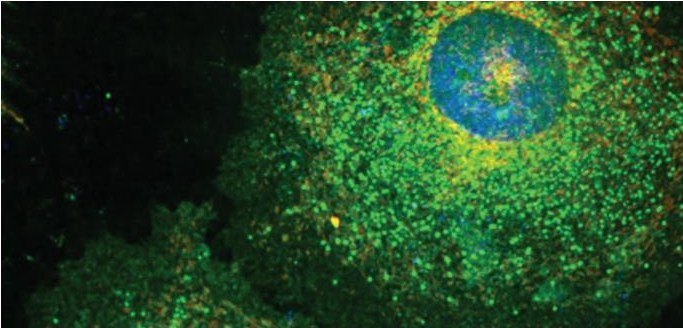
Why does cancer sometimes return even after apparently successful chemotherapy? One possible explanation is that some cancer cells can enter a zombie-like state, surviving treatment without multiplying. New research has shed light on how these cells evade destruction and how they might eventually be eliminated.
The study, led by researchers at Trinity College Dublin, Ireland, found that certain proteins known as Inhibitor of Apoptosis Proteins (IAPs) help cancer cells escape programmed cell death, or apoptosis. Instead of dying when exposed to chemotherapy, these cells enter a state called premature senescence. They stop dividing but remain alive and metabolically active.
These senescent cells can release inflammatory substances that may encourage tumor growth and contribute to cancer recurrence.
The researchers discovered that drugs known as IAP antagonists could interfere with this survival mechanism. In laboratory experiments, blocking IAP activity helped redirect chemotherapy-exposed cancer cells towards programmed cell death rather than senescence.
Published in Science Advances, the findings offer a promising new direction for cancer research. By targeting cells that survive chemotherapy, scientists hope to develop strategies that could make existing treatments more effective and potentially reduce the risk of cancer returning. Clinical studies will be needed to determine whether this approach benefits patients.
(Sources: The Scientist; research announcement from Trinity College, Dublin.)
Fridge-free vaccine could improve global immunization access

An experimental tetanus–diphtheria (Td) vaccine that remains stable without refrigeration has shown encouraging results in a phase 1 clinical trial, potentially offering a way to improve vaccine access in regions with limited cold-chain infrastructure.
Developed by UK-based biotechnology company Stablepharma, the reformulated vaccine, SPVX02, uses its StablevaX technology to remain stable at temperatures up to 30°C for at least two years. It also retained its potency after repeated temperature fluctuations between −20°C and +40°C.
The UK trial involved 60 healthy adults. By day 28, all participants receiving SPVX02 had achieved protective antibody levels comparable to those produced by licensed vaccines. No vaccine-related serious adverse events were reported. The findings were published in eClinicalMedicine.
Conventional vaccines often require continuous refrigeration during storage and transport, creating logistical challenges and contributing to vaccine wastage, particularly in remote and resource-limited settings. A thermostable formulation could simplify distribution, reduce refrigeration costs and energy consumption, and improve immunization coverage.
A ‘phase 2b study’ is underway to evaluate the vaccine in a larger population before establishing its potential wider.
(Sources: Stable Pharma Ltd., EIN Presswire.)
Tattoos that appear and disappear with light

What if a tattoo could be switched on and off whenever you wanted? Researchers at the University of Colorado Boulder, USA, have developed an innovative tattoo ink that can make designs appear, disappear, and even change color using different types of light.
Called PhotoTat, the experimental ink contains light-sensitive dyes encapsulated in microscopic particles of polymethyl methacrylate (PMMA), a material used in several medical applications. The ink remains almost invisible under ordinary conditions but becomes brightly coloured within seconds when exposed to ultraviolet (UV) light. Shining bright white light on the skin makes the colors disappear again.
The researchers developed blue, magenta, and yellow inks that can be combined to produce multiple colors. Lead researcher Carson Bruns has tested the technology on his own skin, and the tattoos have retained their light-responsive properties for more than two years.
Beyond cosmetic applications, the technology could have medical benefits. Patients undergoing radiotherapy often receive permanent skin markings to guide treatment. PhotoTat could potentially allow these marks to remain visible during clinical procedures and disappear afterward.
Published in Matter & Light, the research offers an intriguing approach to making tattoos reversible in appearance. However, further testing for toxicity, purity, and sterility is necessary before the technology can be considered for wider clinical or commercial use.
(Sources: Nature; Techlicious; Matter & Light.)
Nobel Prize recognizes a breakthrough in understanding the brain

The 2026 Nobel Prize in Physiology or Medicine was awarded jointly to Karl Deisseroth, Peter Hegemann, and Georg Nagel for pioneering work that led to optogenetics. This technique allows scientists to control nerve cells with light. The discovery has transformed research into how the brain works and how its complex networks influence memory, emotions, and behavior.
The breakthrough began with the discovery of a light-sensitive protein called channelrhodopsin in single-celled algae. Researchers then developed a way to introduce the gene for this protein into nerve cells, allowing scientists to switch their activity on or off with precisely directed light pulses. This enables scientists to study the roles of specific brain circuits in ways that were previously difficult or impossible.
Understanding how individual nerve cells and brain circuits function could help researchers unravel the mechanisms underlying conditions such as Parkinson’s disease, epilepsy, depression, and other neurological and psychiatric disorders. Researchers are also investigating optogenetics as a potential way to restore vision in certain forms of blindness.
Although the technique remains primarily a research tool, it offers new possibilities for understanding disease and developing future treatments.
(Source: NYT, Science.)
Supercentenarians may hold clues to cancer-fighting immunity

People who live beyond 110 years may have an unusual immune advantage that helps them stay healthy into extreme old age. A study published in Cell Reports identified an abundance of specialized immune cells, called CD4+ cytotoxic T lymphocytes (CD4+ CTLs), in supercentenarians, offering new insights into healthy aging and cancer defense.
Researchers from the University of Osaka, Japan, analyzed blood samples from 28 individuals across three age groups: 70–99, 100–109 and 110 years, and older. They found that the proportion of these cancer-killing T cells increased with age, with median levels rising from 4% in the youngest group to 9.6% among centenarians and 17.6% among supercentenarians.
The researchers also observed extensive clonal expansion of these cells, suggesting that the aging immune system continues to adapt to persistent threats. Some T-cell receptor sequences matched those previously identified in people with lung, breast and liver cancers, raising the possibility of early immune recognition of cancer-related targets.
Although the findings do not establish that these cells prevent cancer or directly extend lifespan, they challenge the notion that immunity inevitably declines with age and open new avenues for research into healthy longevity.
(Sources: eCancer; The Scientist; Cell Reports.)
Bones may hold clues to slowing the aging process
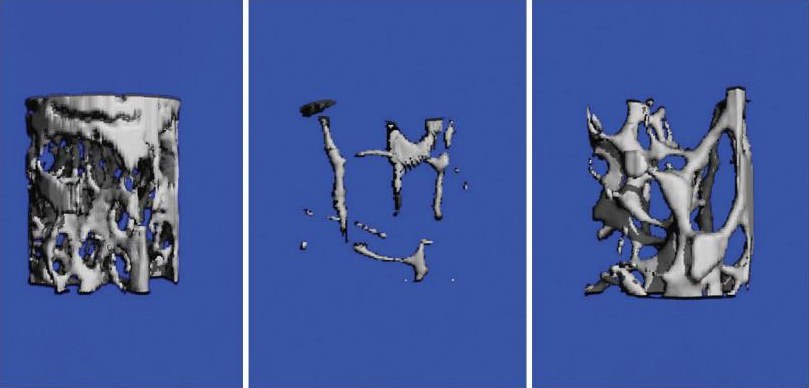
Bones may do more than provide structural support and enable movement; they may also play an active role in regulating how the body ages. A new study in mice suggests that mechanical pressure on bones triggers the release of proteins that protect against aging and promote longer life.
Published in Cell Metabolism, the study found that specialised bone cells called osteocytes can sense physical forces through a protein called PIEZO1. When bones experience the pushing, pulling, and twisting associated with physical activity, these cells release substances with potential anti-aging effects.
To investigate this mechanism, researchers first switched off the force-sensing ability of osteocytes in middle-aged mice. These animals then showed signs of accelerated aging, including poorer memory, slower reflexes, and changes in several organs.
In another experiment, researchers gently loaded elderly mice’s leg bones twice weekly for four months. They showed improvements in bone strength, reflexes, cognitive performance, and organ health. Their lifespan increased by approximately 80 days (9.4%).
The findings suggest that bones may influence aging throughout the body. Although the results are promising, they are based on animal experiments and need further investigation before similar approaches can be considered for humans.
(Sources: Stable Pharma Ltd., EIN Presswire.)
Bringing an ‘undruggable’ cancer gene to its knees
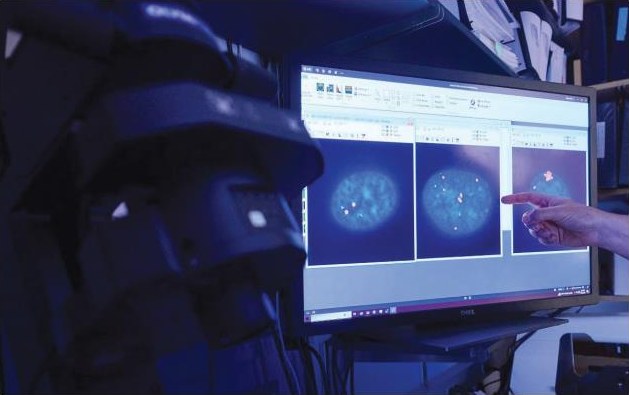
The MYC gene, one of the most powerful drivers of cancer, has long posed a challenge to researchers seeking targeted treatments. Often described as ‘undruggable’, MYC is overactive in approximately 70% of cancers, promoting tumor growth, spread, and survival.
A new study, published in the journal Molecular Cell, identifies key molecular switches that control the production of extra copies of MYC in cancer cells.
The researchers found that two regulatory switches can influence MYC activity by adding or removing chemical tags on the genome. These changes affect whether cells accumulate additional copies of the gene. Rather than blocking MYC directly, scientists believe it may be easier to target these regulatory mechanisms and reduce its cancer-promoting activity.
The findings represent an important advance in understanding MYC’s complex biology and suggest potential new avenues for drug development. The research is still at an early, fundamental stage and does not yet offer an established treatment. But it brings scientists closer to addressing one of cancer biology’s most persistent therapeutic challenges.
(Sources: Molecular Cell; Fox Chase Cancer Center; NYT.)