Key takeaways
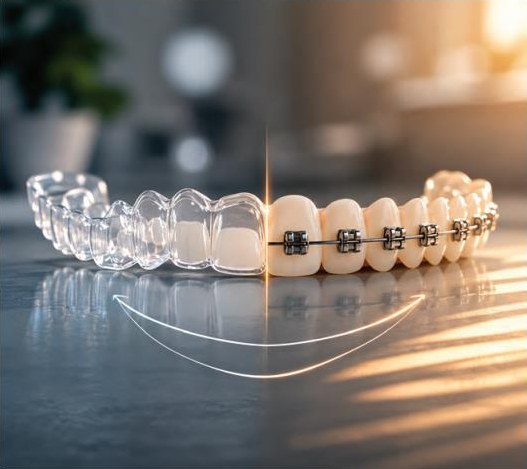
- Options now include metal, ceramic and self-ligating braces as well as clear aligners.
- The right choice depends on tooth position, bite, gum health and your preferences.
- Digital scans and AI help plan treatment, but a digital preview is only a guide.
- Teeth can’t be rushed: be wary of anyone who promises very fast results.
“Can I straighten my teeth without wearing metal braces?” or “Will the latest technology make my treatment faster?” Patients often ask these questions when they visit an orthodontic clinic.
Over the years, orthodontic treatment has changed a lot. Earlier, metal braces were the most familiar option for straightening teeth. Patients today can choose from different types of braces and clear aligners. Digital scanning and artificial intelligence (AI) are also changing how orthodontists plan and monitor treatment.
But does newer technology always mean faster treatment? And can a computer design the perfect smile? Let us explore how modern orthodontics is evolving and why every smile still needs individual care.
More choices for every smile
Metal braces are still widely used. However, there are now several options to suit different dental needs and personal preferences.
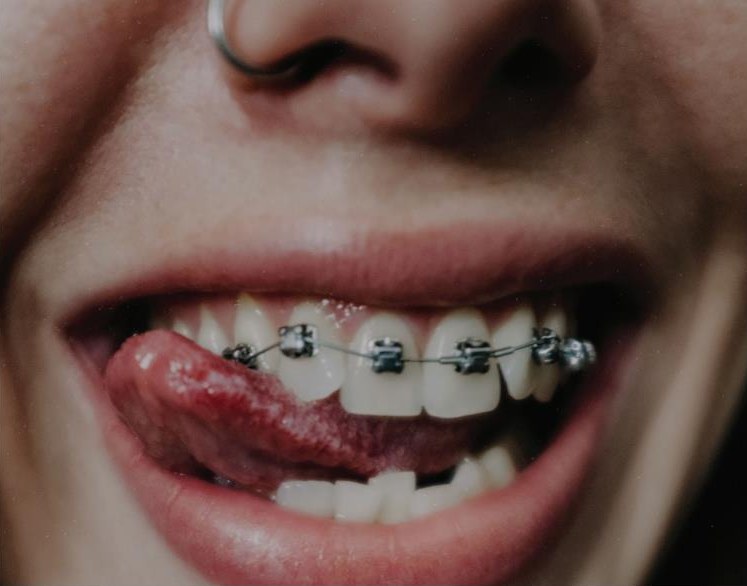
Metal braces are still a reliable option for correcting many types of tooth misalignment.
Ceramic braces are another choice. They have tooth-coloured brackets, making them less noticeable than metal braces.
Self-ligating braces use a special clip to hold the wire in place.
Clear aligners are transparent trays that gradually move teeth into their planned positions. They can be removed while eating, brushing and flossing, which makes daily cleaning easier. However, they must be worn for the recommended number of hours each day to work effectively.
Which option is best? There is no single answer for everyone. The choice depends on tooth position, bite, gum health, and patient preferences. An orthodontist can assess these factors and recommend a suitable treatment plan.
Small innovations, meaningful changes
Advances in materials have helped make orthodontic treatment more precise and comfortable.
Consider the thin wire used in braces. Modern orthodontic wires are made of a special metal that can bend and then slowly return to its original shape. Imagine a bent paper clip that slowly straightens itself. In the same way, the wire softly pushes the teeth into the right place, a little at a time. This makes braces more comfortable than they used to be.
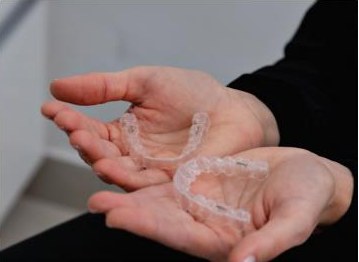
Clear aligners have also benefited from advances in material science. They are see-through plastic covers that fit over your teeth. Scientists are improving this plastic to make it stronger, more flexible, and more comfortable.
Digital technology has added another dimension to treatment. Using computers and 3D printers, we can make an exact copy of the teeth and design braces that fit a person well.
These changes are exciting, but they do not always mean faster treatment. Teeth move through a process in which the surrounding bone takes time to adjust. The pace varies from person to person, and the result depends on the right plan and proper advice from a dentist.
Even minor improvements can make treatment feel more comfortable and more accurate.
Good braces take time, and a stable result is worth the wait.
AI: A partner in treatment planning
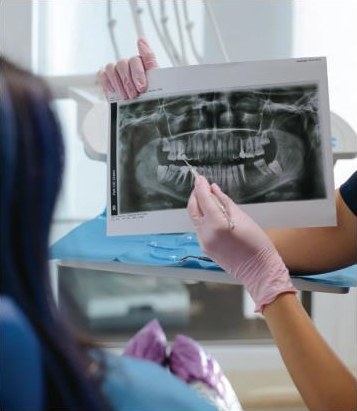
Artificial intelligence, or AI, enables computer systems to analyze information and support specific tasks. In orthodontics, AI tools can help analyse dental X-rays and photographs, identify anatomical landmarks, measure teeth, and support treatment planning.
Digital scanning has also made the process more convenient. Instead of taking a traditional impression using a tray filled with molding material, an orthodontist can use a handheld scanner to create a 3D model of the teeth. For many patients, this is faster and more comfortable.
These digital models help orthodontists visualize tooth positions and plan treatment.
However, a digital preview is only a guide. Actual tooth movement may differ from the computer-generated prediction. The orthodontist must assess progress, consider how the teeth and surrounding tissues respond, and modify the treatment plan when necessary.
Technology and faster results
One of the questions orthodontists hear most often is, “Doctor, how long will my braces take?”
This is the question I hear most often. Technology helps make treatment planning more efficient and helps monitor progress.
But teeth cannot be rushed. They sit in the jawbone, and the bone needs time to change. Treatment duration depends on several factors, including the complexity of the problem, the type of treatment, the body’s response, and how consistently the patient follows instructions.
Patients can help in their own treatment:
- By wearing aligners for the hours advised
- Keep your teeth clean
- Attend all scheduled appointments
Be wary of anyone who promises very fast results. Good braces take time, and a stable result is worth the wait.
The human touch remains essential
Despite these exciting advances in technology, successful orthodontic treatment begins with understanding the individual patient.
An orthodontist considers more than the appearance of the teeth. The bite, jaw position, facial balance, gum health, and long-term stability all matter when planning treatment. Digital tools can provide valuable information, but they cannot replace a comprehensive clinical examination or the orthodontist’s understanding of each patient’s needs, expectations and circumstances.
Patients also play an important role in achieving good outcomes. Following instructions, keeping appointments and maintaining healthy habits can make a meaningful difference to treatment outcomes.
Looking ahead
The future of orthodontics is likely to bring further advances in digital planning, smart materials, customized appliances, and AI-assisted care. These innovations may help make treatment planning more efficient, and the patient experience more convenient.
Yet the goal remains unchanged: to support oral health, improve function, and help people feel confident about their smiles.
The best orthodontic treatment is not necessarily the newest or most advanced option. It is the treatment that best suits the individual patient, guided by scientific evidence, professional expertise, and realistic expectations.
A better smile begins with the right advice, a personalized treatment plan and a partnership between the patient and the orthodontist.
Have a question about this?
Send it to a KIMSHEALTH Dental care specialist. We'll reply by email or phone.