Key takeaways
- Rice, chapati, bread, fruit and milk raise blood sugar too, not just sweets.
- Pair carbohydrates with protein and fibre, and eat vegetables and protein first.
- Stress and poor sleep can raise blood sugar even when your diet hasn’t changed.
- Even a 10-minute walk after meals helps; check labels for hidden sugars.
Many people are surprised when their blood sugar remains high despite avoiding sweets, desserts, and sugary drinks.
The reason is simple: blood sugar is influenced by much more than just table sugar. Everyday foods, eating habits, stress levels, sleep quality, and physical activity all play important roles in determining blood glucose levels. Understanding these factors is the first step toward better blood sugar management and long-term health.
When we hear the term ‘blood sugar,’ we often think only of sweets like chocolates, cakes, and candies. While these foods certainly raise blood sugar, they are not the only culprits.
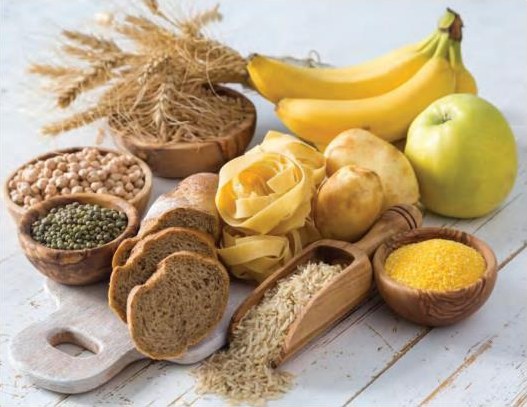
During digestion our body converts most carbohydrates into glucose, which enters the bloodstream and serves as the body’s primary source of energy. Foods such as rice, chapati, bread, potato, pasta, breakfast cereals, noodles, fruits, and even milk contain carbohydrates, which can increase blood sugar levels.
This does not mean these foods are unhealthy or should be avoided completely. The key lies in understanding how much we eat, what we eat along with them, and how our body responds.
Refined carbohydrates are foods that have been processed to remove much of their natural fiber. Common examples include white rice, white bread, white flour-based products, sugary breakfast cereals, biscuits, and many packaged snacks.
Because they contain less fiber, these foods are digested quickly, allowing glucose to enter the bloodstream rapidly. This often results in a sudden spike in blood sugar followed by a rapid fall, which can leave you feeling tired, hungry, or craving more food.
Choosing less processed alternatives such as whole grains, millets, oats, brown rice, or whole wheat products can help slow digestion, reduce blood sugar spikes, and provide more sustained energy.
However, even healthy foods can raise blood sugar if eaten in large quantities.
For example, brown rice contains more fiber than white rice but eating large portions can still lead to a significant rise in blood glucose. Similarly, fruits are rich in vitamins, fiber, minerals, and antioxidants, but consuming several large servings at one time may raise blood sugar more than expected.
Instead of eliminating healthy foods, pay attention to portion sizes. Balanced meals are far more effective than restrictive diets.
Another simple way to reduce blood sugar spikes is to combine carbohydrates with protein and fibre. Protein slows the emptying of the stomach, while fibre delays the absorption of glucose into the bloodstream.
For example:
- Whole wheat bread with boiled eggs and vegetables leads to a slower, steadier rise in blood sugar than bread alone.
- Rice eaten with dal, vegetables, curd, and grilled fish or chicken results in a more gradual increase in blood glucose than rice by itself.
A balanced plate should ideally include vegetables, a source of protein, healthy fats, and moderate portions of carbohydrates.
Balanced meals are far more effective than restrictive diets.
Does the order in which you eat matter?
Interestingly, recent research suggests that the sequence in which foods are eaten can also influence blood sugar levels.
Eating vegetables and protein before carbohydrates may reduce the rise in blood glucose after a meal.
Instead of beginning your meal with rice or bread, start with a salad or cooked vegetables, followed by dal, fish, chicken, paneer, or legumes, and then eat your rice or chapati.
This simple change in eating order may improve blood sugar control without requiring you to give up the foods you enjoy.
Stress can raise blood sugar too
Many people notice higher glucose readings during stressful periods, even when their diet has not changed.
When we are under stress, our body releases hormones such as cortisol and adrenaline. These hormones signal the liver to release stored glucose into the bloodstream to prepare the body for a ‘fight-or-flight’ response.
Managing stress through relaxation techniques, deep breathing, prayer or meditation, regular exercise, hobbies, or spending time with loved ones can support healthier blood sugar levels.
Sleep matters more than you think
Sleep is often overlooked in discussions about diabetes and blood sugar management.
Not getting enough sleep or having poor-quality sleep can reduce insulin sensitivity, making it harder for the body to use glucose effectively.
People who consistently sleep fewer than seven hours each night often have higher fasting blood sugar levels and may experience increased cravings for high-calorie foods.
Aim for seven to nine hours of good-quality sleep each night and maintain a regular sleep schedule whenever possible.
Keep moving
Muscles use glucose for energy, especially during physical activity.
When you remain inactive for long periods, glucose is removed from the bloodstream less efficiently.
Regular physical activity improves insulin sensitivity, allowing the body’s cells to use glucose more effectively, helping lower blood sugar naturally. Even simple activities such as a brisk, 20–30-minute walk, climbing stairs, cycling, gardening, or even walking for 10 minutes after meals can make a meaningful difference to blood sugar control.
Watch out for hidden sugars
Even people who avoid desserts may unknowingly consume significant amounts of added sugars.
Many packaged foods contain hidden sugars under names such as glucose syrup, corn syrup, maltose, dextrose, fructose, invert sugar, or cane syrup.
Common sources include flavored yogurt, breakfast cereals, ketchup, pasta sauces, salad dressings, fruit juices, energy drinks, packaged smoothies, and granola bars.
Reading food labels carefully can help you identify these ingredients and make informed choices.
Everyone responds differently
No two people respond to food in the same way.
One person may eat a serving of rice with little change in blood sugar, while another experiences a significant rise after the same meal.
Factors such as genetics, gut health, physical activity, medications, stress, sleep, and insulin sensitivity all influence how the body responds to food.
Simple strategies you can start using today
- Choose whole grains more often than refined grains.
- Include a source of protein with every meal.
- Fill half your plate with non-starchy vegetables.
- Watch portion sizes, even for healthy foods.
- Eat vegetables and protein before carbohydrates.
- Stay physically active throughout the day.
- Aim for adequate sleep every night.
- Learn healthy ways to manage stress.
Have a question about this?
Send it to a KIMSHEALTH Clinical nutrition specialist. We'll reply by email or phone.