Key takeaways
- In obstructive sleep apnea, breathing stops repeatedly in sleep, sometimes more than a hundred times a night.
- Loud snoring with pauses, gasping or choking is the key sign, and slim people can have it too.
- Untreated, it raises the risk of stubborn high blood pressure, heart attack, irregular heartbeat and stroke.
- A home sleep study can diagnose it, and CPAP therapy works well.
I cannot count how many times a patient has come to my clinic for something seemingly unrelated — high blood pressure that would not come down, persistent fatigue, or a headache that would not go away. Most often it is the spouse, sitting quietly beside them, who mentions almost in passing:
“He stops breathing at night, you know.”
The patient is often genuinely surprised. They had no idea.
That is one of the peculiar things about obstructive sleep apnea. The person living with it is often the last to know.
So what actually happens?
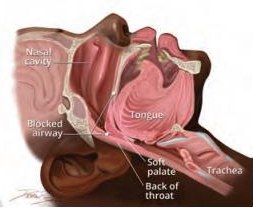
During sleep, the muscles at the back of the throat naturally relax. In most people, that is harmless. But in someone with obstructive sleep apnea, the airway narrows too much, or collapses altogether, and breathing stops.
The pause may last ten seconds or, sometimes, nearly a minute. The brain senses the drop in oxygen and jolts the body just enough to reopen the airway — often without the person ever becoming fully awake. Then it happens again. And again. Some patients go through these episodes fifty, eighty, or even more than a hundred times in a single night.
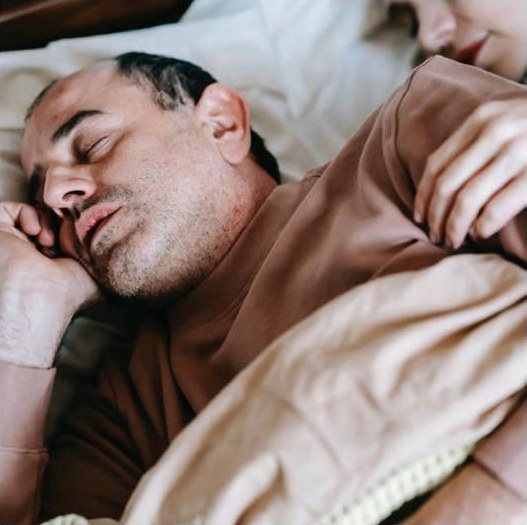
You can imagine what that does to a night’s sleep. From the outside, the person appears to be sleeping peacefully. In reality, their sleep is repeatedly interrupted, leaving them exhausted by the morning.
It is not just about weight
There’s a common assumption that sleep apnea affects only people who are overweight. While excess weight is certainly a major risk factor — fat around the neck can narrow the airway — it is far from the whole picture.
I have diagnosed sleep apnea in slim, active patients whose only ‘risk factor’ was a naturally narrow airway, a recessed jaw, or large tonsils. Men are affected more than women, although that difference narrows considerably after menopause. The condition also tends to run in families, and factors such as smoking, alcohol before bedtime, and chronic nasal congestion can make it worse.
Age matters too. The risk rises steadily through our forties and fifties, which is one reason why sleep apnea is so often brushed off as “just getting older” instead of being investigated properly.
What to watch for
Loud snoring is the most obvious sign, but the pattern that matters more than the volume is snoring that is interrupted by pauses in breathing, followed by gasping, or choking sounds. If someone has noticed you actually stop breathing during sleep, it is worth mentioning to your doctor, even if you feel otherwise well.
Other warning signs include:
- Waking up with a dry mouth or an unexplained morning headache
- Feeling exhausted no matter how many hours you slept
- Difficulty concentrating, or unusual irritability
- Waking several times during the night to urinate.
- Dozing off during quiet moments such as reading, watching television, or, more worryingly, while driving.
If two or three of these sound familiar, it is not something to be shrugged off. They are worth discussing with your doctor.
Fixing this one thing can change how you feel — and how healthy you are — more than you might expect.
Why I take this seriously as a pulmonologist
This is the part that surprises most people. Sleep apnea is not just about feeling tired. The repeated drops in oxygen levels and constant interruptions to deep sleep place real, measurable stress on the cardiovascular system.
Over time, untreated sleep apnea raises the risk of high blood pressure that resists medication, heart attacks, irregular heart rhythms, and stroke. It is also linked to type 2 diabetes, contributes to depression and anxiety in some people, and causes daytime drowsiness that significantly raises the risk of, for instance, road traffic accidents.
What makes the condition particularly dangerous is how quietly it develops. Patients rarely connect their difficult-to-control blood pressure or worsening diabetes to something happening in their throat while they sleep. Yet, in many cases, sleep apnea turns out to be the missing piece.
Getting a diagnosis is not complicated
If I suspect obstructive sleep apnea in a patient, the next step is usually a sleep study. This used to mean an overnight stay in a sleep laboratory and being hooked up to monitors. While that is still done in several cases, many patients today can be tested comfortably at home with a portable device that tracks breathing patterns and oxygen levels overnight.
It is a straightforward process and provides a clear picture of whether sleep apnea is present and how severe it is.
If any of this sounds like you, start discussing your symptoms with a pulmonologist who has experience in sleep medicine. Treatment works, and it works well.
This is the encouraging part. Once we know what we are dealing with, treatment can make a remarkable difference, often sooner than patients expect. Continuous positive airway pressure (CPAP) therapy remains the gold standard. It uses a mask worn during sleep to deliver a steady stream of air that keeps the airway open. It is not the most glamorous treatment, and it does take some time to get used to, but I have had patients tell me it transformed the way they felt within a couple of weeks.
For milder cases, a custom-made oral appliance that repositions the jaw may be all that is needed. Weight loss, even a modest amount, often noticeably reduces the severity of sleep apnea. Some people experience apnea mainly when sleeping on their back, in which case positional therapy is an effective option. Managing chronic nasal congestion, avoiding alcohol in the evening, and quitting smoking can also improve symptoms.
Surgery is an option too, though it is usually reserved for select patients with specific anatomical issues rather than as a first-line approach.
The bottom line
Sleep is not something you can shortcut your way around — it is as essential to your health as eating well or staying active. Obstructive sleep apnea quietly takes that away from people, night after night, while increasing their risk of several serious health problems over time.
If you snore heavily, wake up gasping, or cannot shake the tiredness no matter how much you sleep, do not dismiss it as normal. It is worth a conversation with your doctor. Fixing this one thing can change how you feel — and how healthy you are — more than you might expect.
(This article is meant to raise general awareness and is not a substitute for personalized medical advice. If you’re concerned about your own sleep or breathing at night, please speak with a qualified healthcare provider.)
Have a question about this?
Send it to a KIMSHEALTH Sleep medicine specialist. We'll reply by email or phone.