Key takeaways
- Stay as active as your pain allows; prolonged bed rest can delay recovery.
- Heat for 15 to 20 minutes at a time relaxes tight muscles and eases stiffness.
- Try the 20–8–2 rule: in every 30 minutes, sit for 20, stand for 8 and move for 2.
- Once acute pain settles, usually in two to three weeks, start gentle core-strengthening exercises.
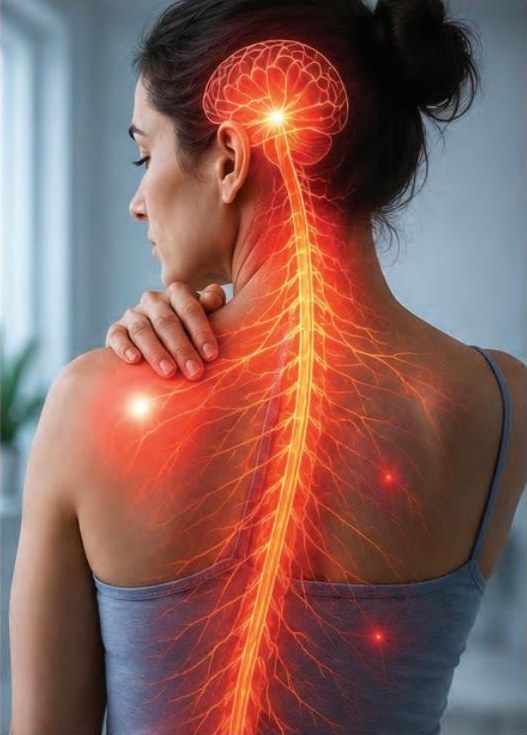
Low back pain is one of the most common health complaints worldwide, affecting people of all ages. In most cases, the pain is classified as non-specific low back pain, meaning that no serious underlying disease or structural abnormality can be identified as the direct cause. However, this form of back pain affects 60% of people at some point during their lifetime. It is also one of the leading causes of years lived with disability worldwide, placing a substantial economic burden on individuals and society through healthcare costs, out-of-pocket expenses, and lost work productivity.
A variety of factors can contribute to non-specific low back pain, including poor posture, prolonged sitting, muscle strain, physical inactivity, stress, and the cumulative wear and tear of daily life. Although low back pain can be uncomfortable and, at times, disabling, most episodes improve within a few weeks with appropriate self-care. Current clinical guidelines emphasize non-drug approaches such as staying active, exercise, patient education, and heat therapy as important components of management. This article discusses practical home remedies that may help relieve pain, improve mobility, and support recovery from non-specific low back pain.
1. Stay active instead of resting in bed
For many years, bed rest was commonly recommended for back pain. However, research has shown that prolonged bed rest may actually delay recovery. Current clinical guidelines encourage people with non-specific low back pain to remain as active as their symptoms allow, as gentle movement helps maintain muscle strength, flexibility, and blood circulation.
Simple activities such as walking around the house, performing light household tasks, or taking short outdoor walks can prevent stiffness and promote healing. The key is to avoid movements that significantly worsen pain, which include bending forward, lifting heavy objects, and riding or traveling on rough roads.
If sitting for long periods is unavoidable, take frequent breaks to stand, stretch, and move around every 30 to 60 minutes. Maintaining good sitting posture and an ergonomic workstation can also help reduce strain on the lower back.
2. Apply heat therapy
Heat therapy is one of the simplest and most effective home remedies for non-specific low back pain. Evidence suggests that superficial heat may provide pain relief and improve flexibility and muscle function.
Heat helps by:
- Relaxing tight muscles
- Increasing blood flow
- Reducing stiffness
- Improving tissue flexibility
You can use:
- A hot water bottle
- Heating pads
- Warm towels
- Warm baths or showers
Apply heat for about 15–20 minutes at a time. The heat should feel comfortably warm. Avoid placing heating devices directly against bare skin to prevent burns.
3. Perform gentle stretching exercises
Gentle stretching exercises can help relieve muscle tension and improve mobility. Movements should be slow, controlled, and performed only within a comfortable range.
Examples include:
Knee-to-chest stretch
- Lie on your back.
- Bring one knee toward your chest.
- Hold for 15–30 seconds.
- Repeat with the other leg.
Cat-camel stretch
- Start on your hands and knees.
- Arch your back upward.
- Then slowly lower and extend your spine.
- Repeat 10 times.
Child’s pose
- Kneel on the floor.
- Sit back on your heels.
- Extend your arms forward and relax.
Performing stretching exercises daily can reduce stiffness and improve flexibility over time.
4. Strengthen core muscles
Weak abdominal and back muscles can contribute to recurring low back pain. Once the acute pain has settled — typically within two to three weeks — gradually introduce core strengthening exercises, which can provide better support for the spine, especially during prolonged sitting or lifting.
Simple exercises that can be performed at home include single-leg raises, pelvic tilts, glute bridges, and bird-dog exercises.
5. Maintain good posture
If you spend long hours at a desk, ensure that your workstation is ergonomically arranged. A fully adjustable workstation that allows you to alternate between sitting and standing can help promote healthier working postures.
Rather than remaining in one position for prolonged periods, try to change your posture regularly. A simple and practical approach is the 20–8–2 rule: during every 30-minute period, sit for about 20 minutes, stand for 8 minutes, and spend 2 minutes walking or moving around. Regular movement is just as important as maintaining good posture.
Poor posture can place unnecessary strain on the lower back. Whether sitting, standing, or lifting objects, maintaining good body mechanics can help reduce stress on the spine and lower the risk of recurring pain.
Sitting tips
- Keep feet flat on the floor, with thighs parallel to the floor, and the back 90–100 degrees to the thighs.
- Thighs should be supported as much as possible.
- Use a chair with good lumbar support, which does not compromise thigh support.
- Avoid slouching.
- Keep screens at eye level.
Standing tips
- Distribute weight evenly on both feet.
- Avoid standing in one position for too long.
Lifting tips
- Bend at the knees rather than the waist.
- Hold objects close to your body.
- Avoid twisting while lifting.
Small improvements in posture can reduce ongoing strain on spinal structures.
Regular movement is just as important as maintaining good posture.
6. Walk regularly
Walking is one of the safest forms of exercise for people with non-specific low back pain. It improves circulation, strengthens muscles, and helps prevent stiffness.
Begin with short walks of 10 to 15 minutes and gradually increase duration as tolerated. A brisk but comfortable pace is generally ideal.
Walking also contributes to overall physical and mental well-being, which can support recovery.
7. Manage stress and tension
Stress can increase muscle tension and make back pain feel worse. Many individuals with chronic or recurring low back pain notice that symptoms flare up during emotionally stressful periods.
Useful relaxation techniques include:
- Deep breathing exercises
- Meditation
- Mindfulness practices
- Gentle yoga
- Listening to calming music
Even spending 10 minutes daily on relaxation activities may help reduce pain perception and improve quality of life.
8. Improve sleep habits
Poor sleep and back pain often create a vicious cycle. Pain interferes with sleep, and inadequate sleep can increase pain sensitivity.
To support better sleep:
- Thin and firm mattresses are recommended along with the use of a neck pillow (against traditional belief that lying flat on the floor without a pillow cures back pain).
- Avoid screens before bedtime.
- Maintain a consistent sleep schedule.
- Sleep in comfortable positions.
Many people find additional comfort by placing a pillow between the knees when sleeping on their side or under the knees when sleeping on their back.
9. Maintain a healthy weight
Excess body weight increases mechanical stress on the spine and supporting muscles. Gradual weight loss through healthy eating and regular physical activity may reduce pressure on the lower back.
Even modest weight reduction can contribute to decreased pain and improved mobility.
10. Stay well hydrated
Although drinking more water alone will not relieve low back pain, staying well hydrated supports normal muscle function and overall musculoskeletal health. Dehydration can contribute to muscle fatigue and reduced physical performance.
Drink water regularly throughout the day, adjusting your intake according to the weather, your level of physical activity, and any medical conditions you may have.
When to seek medical attention
Most episodes of non-specific low back pain improve with self-care. However, you should seek medical advice promptly if you experience any of the following:
- Severe or worsening pain
- Pain following significant trauma
- Fever or unexplained weight loss
- Weakness in the legs
- Loss of bladder or bowel control
- Numbness in the groin or saddle area
- Persistent pain lasting several weeks despite treatment
These symptoms may indicate a more serious condition requiring medical assessment.
Conclusion
Non-specific low back pain is a common condition that often responds well to conservative management. Staying active, applying heat, performing stretching and strengthening exercises, maintaining proper posture, managing stress, and adopting healthy lifestyle habits can significantly improve symptoms and reduce the risk of recurrence.
While home remedies are effective for many individuals, it is important to recognize warning signs that require professional medical attention. With patience, consistency, and appropriate self-care, most people can achieve meaningful pain relief and return to their normal daily activities.
Seek a medical opinion in the following situations
- Low back pain that persists for more than two weeks
- Pain that significantly interferes with your daily activities
- Pain that wakes you at night or consistently disrupts your sleep
- Pain that radiates down one or both legs, especially if accompanied by numbness or weakness
- Numbness in the groin, buttocks, or saddle area
- Loss of bladder or bowel control, or difficulty passing urine
- History of fever, weight loss, earlier history of cancer, or any form of immunosuppressive treatment
Have a question about this?
Send it to a KIMSHEALTH Pain medicine specialist. We'll reply by email or phone.