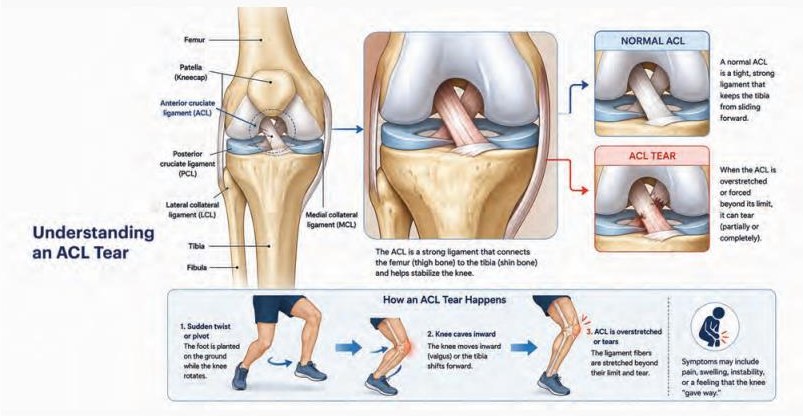
Key takeaways
- Pain can continue after tissues heal because the nervous system becomes over-sensitive; the pain is still real.
- Fibromyalgia is a genuine medical condition, even when blood tests and scans are normal.
- A DEXA bone density scan can find osteoporosis before a fracture happens.
- Gentle, supervised movement retrains the nervous system; prolonged rest often makes chronic pain worse.
“Doctor, all my tests are normal. Then why do I still have pain?”
This is one of the most common questions heard in rehabilitation clinics. Many people live with persistent body pain for months or even years despite undergoing multiple blood tests, X-rays, and MRI scans that show little or no abnormality. They often visit several specialists, take repeated courses of painkillers, and gradually begin to lose hope.
The reality is that not all pain is caused by damaged bones, joints, or muscles. Modern pain science has shown that pain can continue even after tissues have healed because the body’s pain-processing system itself has become overactive or overly sensitive.
Understanding this concept is often the first step toward recovery.
Pain is an alarm system
Pain is the body’s natural warning signal. When we sustain an injury, pain protects us by encouraging us to rest while tissues heal. Normally, the pain gradually fades as the healing progresses. However, in some individuals, the nervous system becomes overly sensitive. It is as if the body’s ‘volume control’ for pain has been turned up. As a result, even normal movements or a gentle touch can be perceived as painful. This process is called pain sensitization, or central sensitization.
An easy way to understand this is to imagine a home security alarm. It is designed to alert you when someone breaks in. But if the alarm becomes faulty, it may go off even when a leaf falls or the wind blows. The alarm is real, but the threat is not.
Something similar can happen in chronic pain. The nervous system continues to generate pain signals even though there is no ongoing tissue damage. This does not mean the pain is imaginary. The pain is entirely real, but it is produced by an overactive pain-processing system rather than by an injury that is still healing.
The alarm is real, but the threat is not.
Fibromyalgia, the misunderstood pain disorder
Fibromyalgia is one of the best-known examples of pain sensitization. People with fibromyalgia often experience widespread body pain, overwhelming fatigue, disturbed sleep, morning stiffness, headaches, and difficulty concentrating, sometimes called “brain fog.” Many also wake up feeling exhausted even after a full night’s sleep.
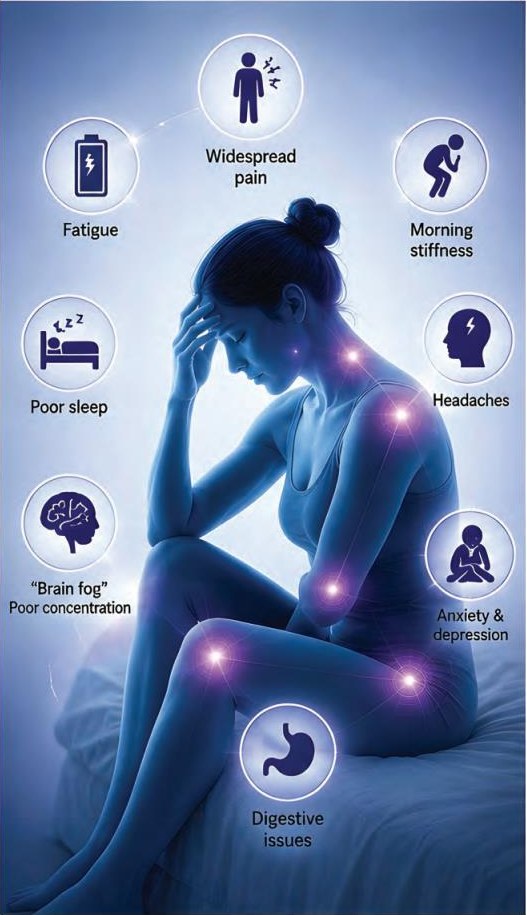
One of the challenges in diagnosing fibromyalgia is that routine blood tests, X-rays, and scans are usually normal. As a result, some people are told that “nothing is wrong” or that their symptoms are “just stress.” Such comments can be deeply discouraging and may delay appropriate treatment.
Fibromyalgia is now recognized as a genuine medical condition caused by changes in the way the brain and spinal cord process pain signals. It requires proper diagnosis, patient education, and a comprehensive rehabilitation approach rather than repeated investigations alone.
Osteoporosis, the silent cause of body pain
Another frequently overlooked condition is osteoporosis. Many people think osteoporosis only becomes important after a fracture. In reality, osteoporosis weakens the bones, making them more likely to break, sometimes after only a minor fall or even routine daily activities.
Vertebral compression fractures, which may occur without a major injury, can cause persistent back pain, loss of height, and reduced mobility. Women after menopause, older adults, individuals taking long-term steroid medication, and people with inadequate calcium or vitamin D intake are particularly at risk.
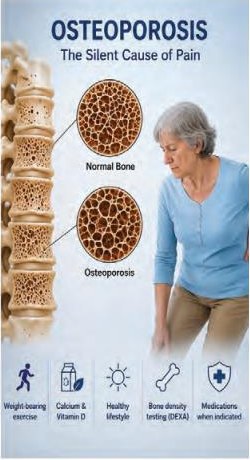
A bone Mineral Density scan (DEXA) can identify osteoporosis before a major fracture occurs. Early diagnosis, appropriate medications such as bisphosphonates or denosumab when indicated, adequate calcium and vitamin D intake, weight-bearing exercise, and muscle-strengthening activities can significantly reduce the risk of future complications.
Recognizing osteoporosis early is not just about protecting bone health. It is about preserving mobility, independence, and quality of life.
Painkillers alone are not the answer
Many patients believe that stronger painkillers will solve chronic pain. While medications may provide temporary relief, they rarely address the underlying mechanisms of pain sensitization. Effective treatment requires a broader strategy that focuses on restoring normal function rather than simply suppressing pain. This is where rehabilitation plays a central role.
Rehabilitation: Retraining the nervous system
Rehabilitation is much more than physical therapy. It is a comprehensive, evidence-based approach that helps people regain movement, confidence, and independence while gradually retraining the body’s pain-processing system.
Treatment may include:
- Patient education to help people understand why chronic pain develops
- Individually tailored exercise programs with gradual progression
- Stretching and strengthening exercises to restore physical function
- Aerobic activities such as walking, cycling, or swimming
- Sleep optimization and healthy daily routines
- Stress management, relaxation techniques, and mindfulness
- Ergonomic advice for work and home
- Psychological strategies that help people manage persistent pain and overcome fear of movement
Contrary to popular belief, prolonged rest often makes chronic pain worse. Gentle, supervised movement helps “retrain” the nervous system and gradually reduce pain sensitivity.
Do supplements help?
Many patients ask whether vitamins and supplements can cure chronic pain. The answer is nuanced.
Deficiencies of vitamin D, vitamin B12, iron, magnesium, or calcium can contribute to fatigue, muscle discomfort, or poor bone health in some individuals. Correcting these deficiencies is important and may improve symptoms. However, supplements are supportive, not curative. They work best when combined with exercise, rehabilitation, healthy sleep, good nutrition, and appropriate medical treatment.
When are medications needed?
Some patients benefit from medications that specifically target the nervous system rather than acting as conventional painkillers. These medicines can help reduce pain sensitization, improve sleep, and enhance overall function. Treatment should always be individualized after proper medical assessment. The goal is not simply to relieve pain and mask symptoms but to help patients become more active and participate fully in rehabilitation.
Living well despite chronic pain
Perhaps the most important message is this: chronic pain is treatable.
The goal of treatment is not merely to lower pain scores. True success means returning to work, enjoying family life, sleeping better, walking comfortably, exercising confidently, and taking part in activities that matter. With the right diagnosis, patient education, a structured rehabilitation program, medication when required, and healthy lifestyle changes, many people achieve meaningful improvement.
If your body pain has persisted for more than three months, especially if routine tests have been normal, do not lose hope. Persistent pain does not necessarily mean the damage is continuing. In many cases, it reflects an overly sensitive pain-processing system that can be retrained.
A timely evaluation by a rehabilitation physician can help identify conditions such as fibromyalgia, pain sensitization, osteoporosis, and other often overlooked causes of chronic pain. Early intervention can prevent years of unnecessary suffering and help people regain control of their lives.
Pain may be common, but living with untreated pain should never be accepted as normal.
Have a question about this?
Send it to a KIMSHEALTH Pain medicine specialist. We'll reply by email or phone.