Key takeaways
- Painful periods, or pain during sex or bowel movements, are warning signs, not something to endure.
- Chocolate cysts can reduce healthy eggs, so treatment now aims to protect fertility as well.
- Surgeons now preserve as much healthy ovarian tissue as possible; ask about fertility preservation before a first ovarian surgery.
- With personalised IVF, many women with endometriosis reach pregnancy rates close to those of women without it.
For years, many women with endometriosis have heard the same advice: “It’s just period pain.” “Get married early.” “Surgery is the only option.” Fortunately, our understanding of endometriosis has changed significantly. Today, women have more choices than ever before to manage the condition, preserve their fertility, and plan pregnancy with confidence rather than fear.
1. Endometriosis is common. You are not alone.
Nearly four in ten women with infertility are affected by endometriosis. It occurs when tissue similar to the lining of the uterus grows outside the uterus, commonly on the ovaries, fallopian tubes, or elsewhere in the pelvis. Some women experience severe pain, while others may not realize they have endometriosis until they struggle to conceive.
2. Pain is a warning sign, not something to endure
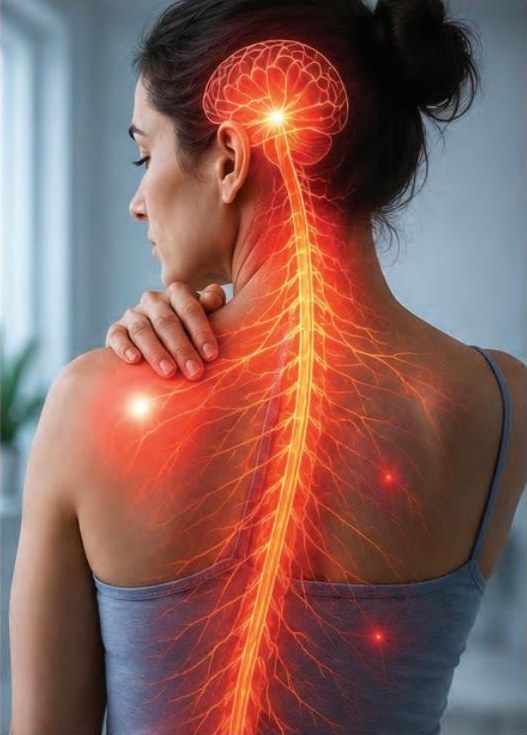
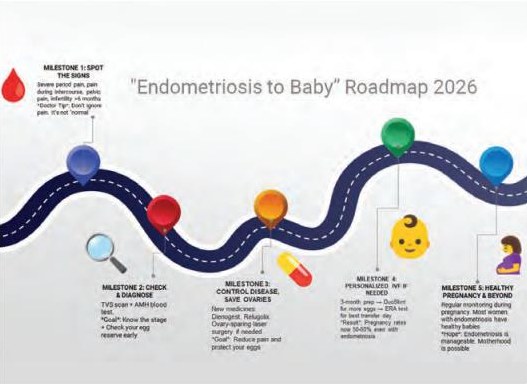
Women should never dismiss painful periods, pain during intercourse, or pain during bowel movements as “normal.” Endometriosis is recognized as one of the most painful chronic conditions affecting women. Early diagnosis offers the best opportunity to relieve symptoms and protect fertility.
3. Chocolate cysts are more than “just cysts”
A chocolate cyst (endometrioma) is a type of ovarian cyst caused by endometriosis.
The blood-filled contents of an endometrioma create a toxic environment within the ovary. Iron overload, oxidative stress, and chronic inflammation may gradually reduce the number of healthy eggs. Because of this, doctors now consider not only treating the cyst but also preserving future fertility when planning treatment.
Endometriosis is also recognized as a condition that affects the body’s immune and inflammatory responses, which may influence egg quality, implantation, and pregnancy outcomes.
4. Protecting the ovaries has become a priority
The approach to surgery has changed.
Instead of removing every cyst as aggressively as possible, surgeons now aim to preserve as much healthy ovarian tissue as they can. This helps protect ovarian function and future fertility. Modern surgical techniques also minimize the use of heat during surgery to reduce damage to healthy tissue.
Young women with severe disease affecting both ovaries may consider fertility-preserving options such as egg freezing or ovarian tissue cryopreservation before surgery.
5. Pregnancy is surely possible. And IVF has become more personalized
If pregnancy has not occurred after about six months of trying (depending on age and individual circumstances), do not delay seeking specialist advice.
Today’s IVF treatment is increasingly individualized for women with endometriosis.
Depending on individual circumstances, doctors may use medications to reduce inflammation before IVF, techniques such as double stimulation (DuoStim) to obtain more eggs within a single menstrual cycle, or specialized tests in selected women to determine the best time for embryo transfer.
With these advances, many women with endometriosis achieve pregnancy rates approaching those of women without the condition. Motherhood is still very much within reach.
6. Timing matters
If pain is interfering with your daily life, seek medical advice rather than accepting it as part of being a woman.
Knowing your Anti-Müllerian Hormone (AMH) level before ovarian surgery can help assess your egg reserve.
Women with endometriosis should also think of discussing fertility preservation with their doctor, especially before their first ovarian surgery.
If repeat surgery has been recommended, seeking a second opinion may be worthwhile.
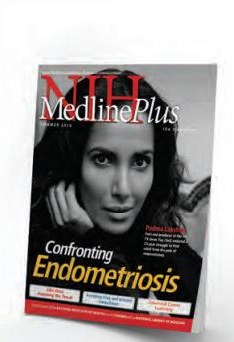
Padma Lakshmi — author, actress, model, and former host of Top Chef — is featured on the cover of the Summer 2016 issue of NIH MedlinePlus, the magazine of the U.S. National Institutes of Health (NIH), where she recounts her 23-year struggle to obtain a diagnosis and find relief from endometriosis. From adolescence into adulthood, she endured severe menstrual pain, excessive bleeding, shooting pains, and numbness before finally being diagnosed in her mid-30s. She later co-founded the Endometriosis Foundation of America (EFA) with her surgeon, Dr. Tamer Seckin, to raise awareness, improve surgical training, and support research into the disease.
Endometriosis may be a lifelong condition, but it does not have to define a woman’s future.
7. New hope for pain relief
The goal of treatment today is to control the disease while protecting ovarian function.
Newer medications, including progestins and GnRH antagonists such as relugolix and linzagolix, offer effective pain relief for many women. They are often given together with add-back hormone therapy — small doses of hormones that help reduce treatment side effects.
In women with more severe disease, aromatase inhibitors, usually combined with other hormone medicines, may be used to reduce estrogen production and help control the disease.
Researchers are also studying supplements such as N-acetylcysteine, resveratrol, and vitamin D for their potential to reduce inflammation and slow the growth of endometriotic cysts.
8. When should you consult an IVF specialist?
Early specialist advice is especially important if:
- Your AMH level is below 1.5 ng/mL, and you have a chocolate cyst larger than 3 cm;
- You have moderate or severe endometriosis, and one or two IUI (intrauterine insemination) treatments have been unsuccessful; or
- You are over 32 years of age and are planning surgery for an endometrioma.
9. What is ahead
Endometriosis care in 2026 is truly multidisciplinary. The focus is no longer simply on treating pain or removing cysts, but on preserving ovarian function, protecting fertility, and improving quality of life.
The message? Screen early, operate conservatively when surgery is needed, and personalize treatment whenever possible.
Endometriosis may be a lifelong condition, but it does not have to define a woman’s future. With timely diagnosis, appropriate treatment, and advances in fertility care, women with endometriosis have more hope and more choices than ever before.
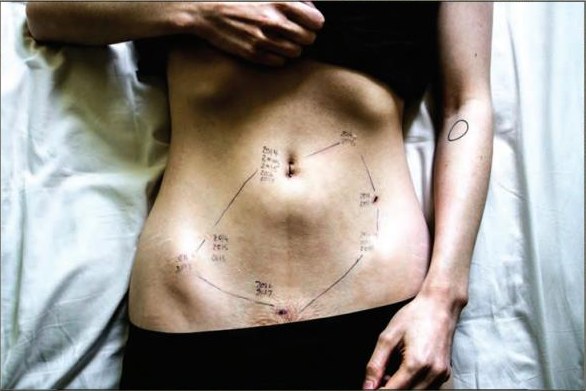
(See also: ‘The Last Page’ feature, ‘A constellation of scars’ on page 62.)
Have a question about this?
Send it to a KIMSHEALTH Gynaecology and fertility specialist. We'll reply by email or phone.