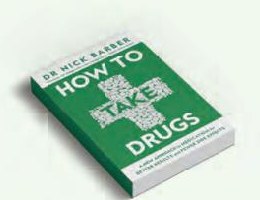
How to take drugs
A new approach to medication for better results and fewer side effects
By Dr Nick Barber
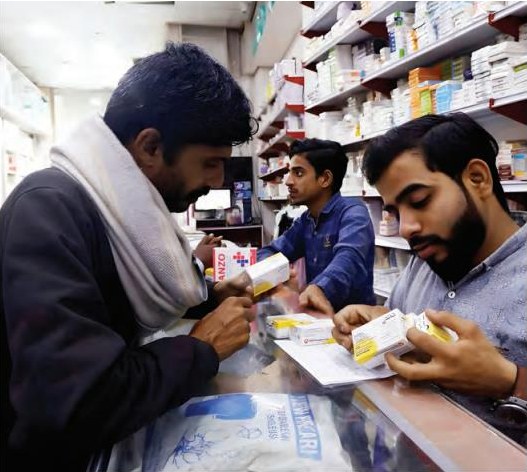
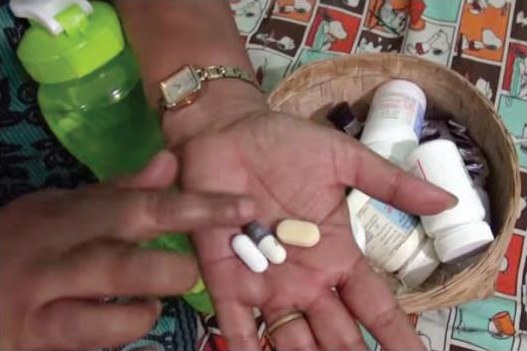
This book by pharmaceutical expert Dr Nick Barber examines how medicines work, how they are tested, and why their effects can vary from person to person. The book explains how to assess whether a medicine is helping, recognize when treatment may need review, and discuss concerns about side effects with healthcare professionals. It offers readers a structured approach to making informed decisions about medicines, whether for themselves or for someone they care for.
[Published by Bluebird, May 2026, Paperback, 323 pages.]
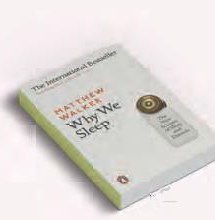
Why we sleep
The new science of sleep and dreams
By Matthew Walker
Why We Sleep by neuroscientist Matthew Walker examines the science of sleep and its role in maintaining physical and mental health. Drawing on two decades of research, the book explains how sleep influences memory, learning, immunity, metabolism and emotional wellbeing, while highlighting the health consequences of chronic sleep deprivation. It also explores topics such as REM sleep, dreams, aging, and the effects of caffeine and alcohol on sleep. Written for a general audience, it offers an evidence-based introduction to one of the body’s most essential biological functions.
[Published by Penguin, January 2028, Paperback, 368 pages.]
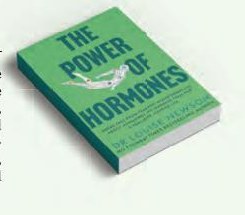
The power of hormones
Break free from fear and misinformation about hormones and harness them for a healthier, happier life
By Dr Louise Newson
The Power of Hormones by Dr Louise Newson examines the role of the female hormones estrogen, progesterone and testosterone in women’s health across the lifespan. Drawing on current evidence, medical history and clinical experience, the book explores how misconceptions about hormones have influenced medical practice and contributed to underdiagnosis and undertreatment of hormone-related conditions. It discusses menopause, hormone replacement therapy (HRT), and hormonal balance, while presenting the scientific basis for a more informed approach to women’s long-term physical and mental health.
[Published by Hodder & Stoughton, June 2026, Paperback, 416 pages.]
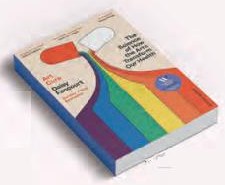
Art cure
The science of how the arts transform our health
By Daisy Fancourt
Art Cure by psychobiologist Professor Daisy Fancourt explores the growing scientific evidence linking engagement with the arts to better physical and mental health. Drawing on her years of research, the book examines how activities such as music, dance, painting, theatre and creative hobbies can reduce stress, support brain health, ease depression and pain, and strengthen social connections. It argues that the arts deserve recognition alongside diet, sleep, exercise and nature as an important contributor to health and wellbeing, while offering practical ways to incorporate them into everyday life.
[Published by Cornerstone Press, January 2026, Paperback, 352 pages.]
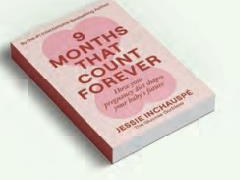
Nine months that count forever
How your pregnancy diet shapes your baby’s future
By Jessie Inchauspé
Pregnancy is a period when nutrition can have lasting effects on a child’s future health. In Nine Months That Count Forever, biochemist Jessie Inchauspé examines the evidence on how key nutrients — including choline, DHA, protein and glucose — influence fetal development and long-term wellbeing. The book also offers practical guidance on supplements, managing common pregnancy concerns, breastfeeding and meal planning, presenting current nutritional science in an accessible format for expectant parents.
[Published by New River Books Ltd., March 2026, 288 pages.]
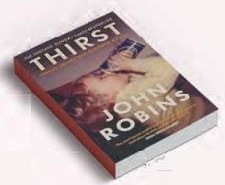
Thirst
Twelve drinks that changed my life
By John Robins
Alcohol is woven into many aspects of modern social life, yet its effects can be deeply personal. In Thirst, comedian and broadcaster John Robins reflects on his own journey from early drinking experiences to alcohol dependence and recovery. Structured around twelve significant drinks, the memoir explores addiction, mental health, friendship and sobriety with candor and humor. Alongside personal stories, it considers broader questions about why people drink and how alcohol can shape lives, relationships and identity.
[Published by Viking, May 2026, Hardcover, 336 pages.]
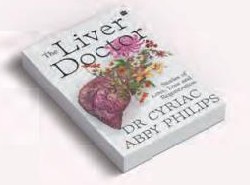
The liver doctor
Stories of love, loss and regeneration
By Dr Cyriac Abby Philips
The liver is the body’s only organ capable of regenerating itself, yet it remains one of the least understood. In The Liver Doctor, hepatologist Dr Cyriac Abby Philips combines medical science, history and clinical experience to explore the liver’s remarkable biology and the realities of liver disease. Through patient encounters and reflections on the uncertainties of medical practice, he examines the challenges of diagnosis, treatment and end-of-life care, while offering readers an accessible introduction to an organ central to human health.
[Published by Harper Nonfiction India, May 2026, Paperback, 408 pages.]
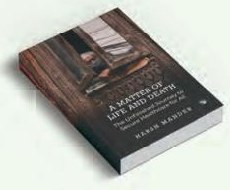
A matter of life and death
The unfinished journey to secure healthcare for all
By Harsh Mander
Why do millions of people continue to die from preventable illnesses despite remarkable advances in medicine? In A Matter of Life and Death, social activist Harsh Mander examines the social, political and economic barriers that limit access to healthcare for large sections of the world’s population. Drawing on public health evidence and policy analysis, he argues that universal healthcare is both achievable and affordable, while making the case for health as a fundamental human right rather than a privilege determined by income or circumstance.
[Published by Speaking Tiger Books, May 2026, Paperback, 280 pages.]
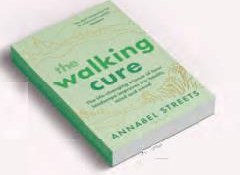
The walking cure
A healthier, happier life one step at a time
By Annabel Streets
Walking benefits both body and mind, but the setting may matter as much as the activity itself. In The Walking Cure, Annabel Streets explores how different landscapes — from city parks and canal paths to forests, coastlines and mountains — can influence mood, creativity, resilience and wellbeing. Combining scientific research with personal observations, she examines the links between walking, nature and health, while offering practical suggestions for choosing routes that best match different emotional and psychological needs.
[Published by Bloomsbury Tonic, April 2026, Paperback, 352 pages.]