Key takeaways
- Uterine fibroids are the most common, at 1,830 per 100,000 people in India in 2023.
- Female infertility (1,820) and pelvic organ prolapse (1,720) follow closely.
- PCOS affects 604 and endometriosis 218 per 100,000.
Estimated age-standardized rate of people living with various gynecological diseases in India, 2023:
Explanatory note
- Age standardization: Age standardization is an adjustment that makes it possible to compare populations with different age structures, by standardizing them to a common reference population.
- Pelvic organ prolapse: A condition where one or more pelvic organs, such as the uterus, bladder, or rectum, shift downwards and bulge into the vagina because the pelvic floor muscles and ligaments have weakened. It can cause a feeling of heaviness or pressure, discomfort during sex, and problems with urination or bowel movements. Risk increases with childbirth, aging, obesity, and anything that puts long-term strain on the pelvis.
- Uterine fibroids: Non-cancerous growths of muscle and tissue that develop in or around the uterus. They are very common in people of reproductive age, and their size and number can vary widely. Many fibroids cause no symptoms, but some lead to heavy or painful periods, pelvic pressure, frequent urination, or fertility and pregnancy complications.
- Female infertility: The absence of a live birth after a woman has been in a union for at least five years, while not using contraception and actively trying to conceive.
- Polycystic ovary syndrome (PCOS): A common hormonal condition that affects the ovaries in women of reproductive age. It is usually diagnosed when at least two of these conditions are present: irregular or absent ovulation (often characterized by irregular periods), higher levels of androgens (which can cause acne or excessive hair growth), and enlarged ovaries containing many fluid-filled sacs (follicles) that surround the eggs. PCOS can make it harder to get pregnant and is linked to insulin resistance and a higher risk of conditions like type 2 diabetes.
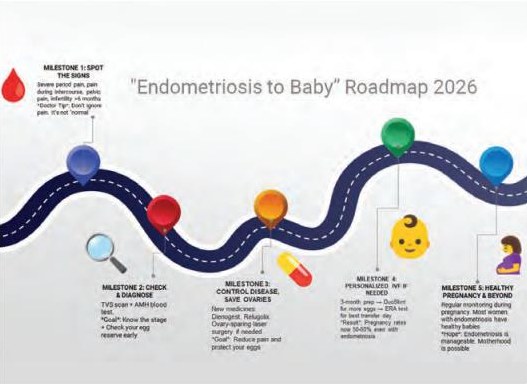
- Endometriosis: A long-term condition where tissue similar to the lining of the uterus grows outside the uterus, often on the ovaries, fallopian tubes or pelvic lining. These growths respond to hormonal cycles and can cause inflammation and scarring. Endometriosis can lead to painful periods and chronic pelvic pain, pain during sex, and sometimes infertility. Symptoms vary widely, and some people have none.
Have a question about this?
Send it to a KIMSHEALTH Obstetrics & Gynaecology specialist. We'll reply by email or phone.