Key takeaways
- Generic medicines contain the same active ingredient as the brand-name medicine and must be bioequivalent to it.
- They may differ in colour, shape or packaging, but that doesn’t change how they work.
- They cost less because makers don’t repeat the original research, and competition lowers prices.
- Don’t switch between medicines or special formulations, such as extended-release tablets, without your doctor’s or pharmacist’s advice.
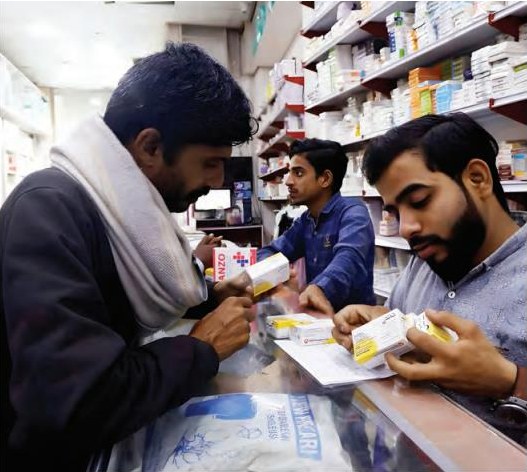
“You will still receive your regular medicine, sir,” I explained to the patient.
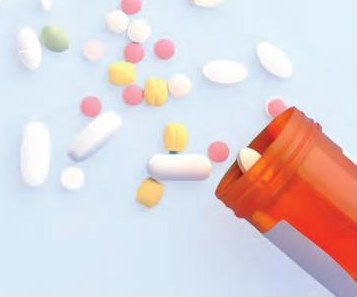
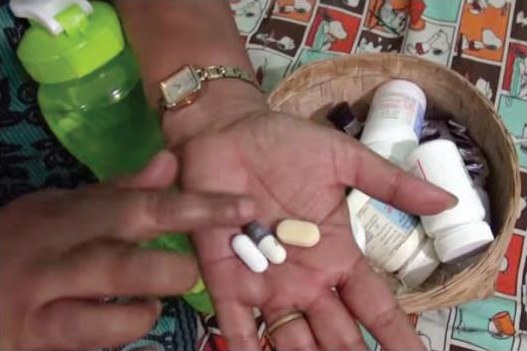
He looked at the medicine hesitantly. “But this looks completely different from the one I usually take! My tablet is white and round while this one is pink and oblong!”
I reassured him. “Don’t worry, sir. I understand your concern. This is the generic version of your regular medication. It contains the same active ingredient and will provide the same therapeutic effect.”
This is a conversation we have almost every day in the pharmacy. Patients are often confused when the medicine they receive looks different from the one they have been taking regularly. In many cases, however, the medicine is simply a generic version of the brand-name product.
So, what exactly is a generic medicine? Is it safe and effective as a brand-name medicine? Why is it often less expensive?
Let us explore the facts behind generic medicines and what you should know before making a choice.
What is a brand-name medicine?
A brand-name medicine is the original medicine developed by a pharmaceutical company. Bringing a new medicine to market takes many years of scientific research, laboratory testing, clinical trials, and regulatory review to demonstrate that it is safe and effective. Because this process requires significant investment in time and resources, the company is granted a patent that allows it to market the medicine exclusively for a limited period.
Once the patent expires, other manufacturers are permitted to produce generic medicines.
What is a generic medicine?
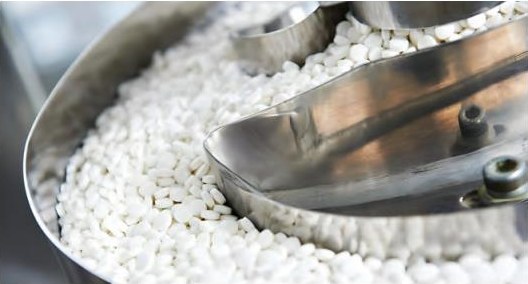
Generic medicines contain the same active ingredient as a brand-name medicine and are intended to work in the same way. They are developed after the patent and market exclusivity of the original brand-name medicine have expired. Although they may differ in color, shape, size, packaging, or certain inactive ingredients, they must be bioequivalent, meaning they should deliver the same amount of active ingredient into the bloodstream at a similar rate and extent as the original medicine.
How are generic medicines developed?
After the patent for a brand-name medicine expires, other manufacturers can produce generic versions of it. To obtain regulatory approval, they must demonstrate that the generic medicine:
- contains the same active ingredient as the brand-name medicine;
- meets the same stringent quality and manufacturing standards;
- is bioequivalent to the original medicine, meaning it works in the body the same way as the original medicine.
Are generic medicines safe?
Each country has its own regulatory agency responsible for ensuring that medicines available to the public meet strict standards for quality, safety, and effectiveness.
Before approving a generic medicine for sale, national regulatory authorities, such as the Ministry of Health, carefully review evidence demonstrating the bioequivalence of the generic medicine to the original medicine. This rigorous evaluation process ensures that patients can use approved generic medicines with confidence.
Why are generic medicines less expensive?
Generic medicines usually cost less than brand-name medicines for several reasons.
They do not repeat the original research: Manufacturers of generic medicines do not have to repeat the extensive laboratory research and large clinical trials that were required to develop the original medicine. This significantly reduces development costs while maintaining the same standards of quality, safety, and effectiveness.
Competition lowers prices: Once the patent expires, several manufacturers can produce generic versions of the same medicine. This increased competition helps drive down prices, making treatment more affordable for patients.

This rigorous evaluation process ensures that patients can use approved generic medicines with confidence.
What should you check before buying a medicine?
Purchase your medicine from a licensed pharmacy or other authorized source. Before leaving the pharmacy, make sure to:
- Check that it contains the same active ingredient and strength prescribed by your healthcare provider.
- Avoid medicines with damaged packaging or unclear labeling.
- Check the expiry date.
- Avoid switching between specialized formulations, such as extended-release or modified-release medicines, without professional advice.
- When in doubt, ask your pharmacist or physician.
An important note
Although generic medicines are designed to be therapeutically equivalent to their brand-name counterparts, you should not switch between medicines or formulations on your own. Certain medicines require close monitoring or regular blood tests, and even small changes may need medical supervision. Always inform your doctor or pharmacist about any change in your medication. They can advise you on whether a generic alternative is appropriate and ensure that your treatment remains safe and effective.